

Veterinary GMP 2026: The New Regulatory Framework
3 min. reading time | by Sabine Paris, PhD
Published in LOGFILE 05/2026
Implementing Regulations (EU) 2025/2091 and 2025/2154 consolidate the GMP requirements for veterinary medicinal products into a distinct and legally binding framework for the first time. While establishing regulatory independence for the veterinary sector, they remain substantively aligned with the EU GMP Guide.
Implementing Regulation (EU) 2025/2091 on good manufacturing practice (GMP) for veterinary medicinal products and Implementing Regulation (EU) 2025/2154 on GMP for active substances used in veterinary medicinal products were published on 27 October 2025. They replace the general EU GMP Guide from Volume 4 of EudraLex with a separate legal framework specifically for veterinary medicinal products.
The regulations entered into force on 16 November 2025, but will only become binding on 16 July 2026. As implementing regulations, they are directly applicable in all EU Member States and do not require national transposition.
In terms of content, the regulations are largely based on the previous structure of the EU GMP Guide. The requirements therefore remain identical for the time being, but are now brought together for the first time in a separate, EU-wide harmonised, binding legal act for the veterinary sector.
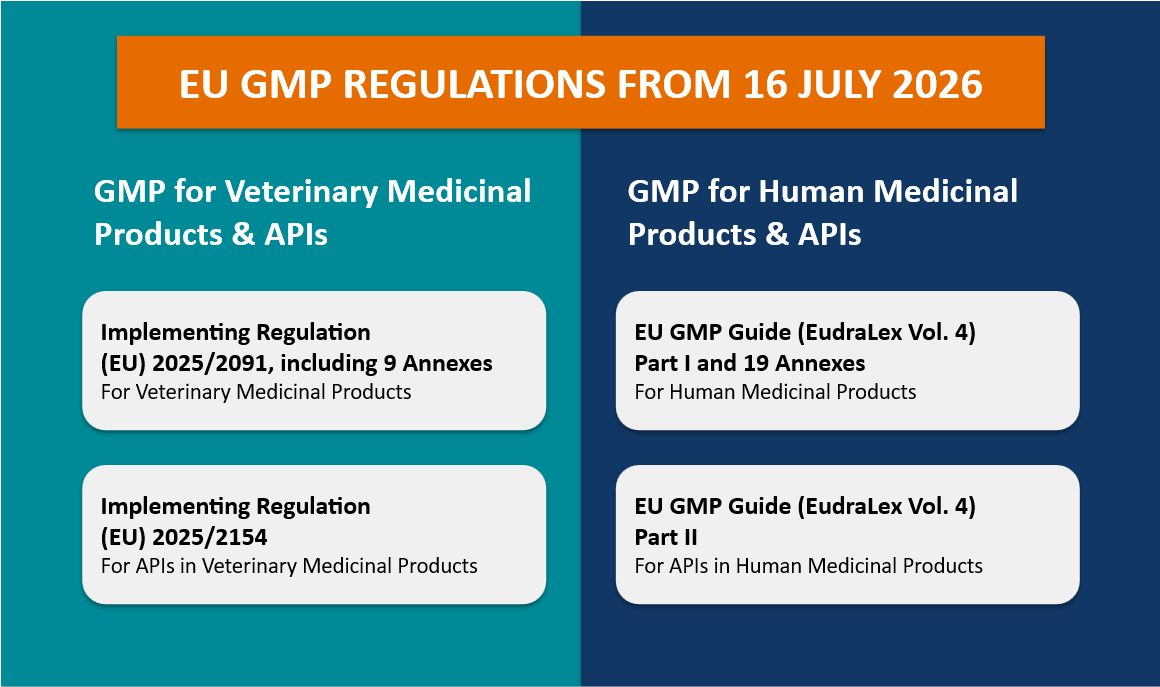
Figure 1 | GMP regulations from 16 July 2026
The EU Commission has published tables of correspondence, which can also be found in our GMP Compliance Adviser knowledge portal in the annexes to the regulations in chapters C.22.1 and C.22.2. These tables explicitly show which contents of the regulations have been taken from which chapters and annexes of the EU GMP Guide.
Implementing Regulation 2025/2091 contains the following annexes:
- Annex I: Sterile products and aseptic manufacturing
- Annex II: Biological and immunological products
- Annex III: Specific requirements for certain veterinary medicinal products
- Annex IV: Computerised systems
- Annex V: Qualification and validation
- Annex VI: Template for the site master file
- Annex VII: Use of ionising radiation in the manufacture of veterinary medicinal products
- Annex VIII: Model for confirmation of partial manufacturing, model for batch release certificate
- Annex IX: Real time release testing and parametric release
The texts of the annexes have been taken from the corresponding annexes of the EU GMP Guide. The order has been changed in some places and some rewording has been done. However, the requirements are currently still identical. Annex III bundles requirements for various products, such as herbal veterinary medicinal products, premixes for medicated feedingstuffs and medicinal gases. Requirements from the previous GMP Annexes 4, 6, 7, 9 and 10 have been adopted here.
It is noticeable that the wording has changed following the legal reclassification of the GMP requirements in implementing regulations: "should" has been replaced by "shall". "Shall" implies a mandatory legal obligation.
Implementing Regulation 2025/2091 contains a new or clarifying article on the role of the marketing authorisation holder. This article is the only one designated as "new" in the Commission's comparison tables. However, there are references to Chapters 1 and 5 of the EU GMP guidelines.
The requirements of Article 3 are:
- Coordination of authorisation and manufacturing: The authorisation holder must ensure that all specifications and instructions comply with the marketing authorisation and that any changes are communicated to the manufacturer without delay.
- Product quality review (PQR): If the marketing authorisation holder is not also the manufacturer, they must evaluate the annual product quality review and decide on any necessary measures.
- Contractual provisions: A comprehensive written agreement on responsibilities between the marketing authorisation holder and the manufacturer is mandatory.
Conclusion
Overall, the new GMP regulations for veterinary medicinal products primarily reshape the legal framework, establishing distinct legislative instruments for the sector. Substantively, however, the requirements continue to mirror the EU GMP Guide for the time being.
Whether this alignment with the human medicinal product framework will persist in the long term remains to be seen; a gradual divergence appears increasingly plausible.
Do you have any questions or suggestions? Please contact us at: redaktion@gmp-verlag.de

You may also be interested in the following articles:


