
Contamination Control Strategy (CCS) – Not Just an Extended Site Master File
Report from the GMP-PharmaCongress, 24/25 March 2026, Wiesbaden
4 min. reading time | by Sabine Paris, PhD
Published in LOGFILE 08/2026
A Contamination Control Strategy (CCS), as required by Annex 1 of the EU GMP Guide, should provide a comprehensive yet concise overview of critical control points. It is not intended to function as an expanded Site Master File. Instead, it must be scientifi-cally justified, risk-based, and clearly structured.
At the GMP-PharmaCongress in Wiesbaden, GMP inspector Frank Sielaff (Regional Autho-rity in Darmstadt, Germany) shared practical insights from recent inspections, high-lighting deficiencies in CCS implementation.
Deficiencies Observed in Practice
Based on inspection experience, several typical weaknesses were identified:
Inadequate Risk Assessments
Risk assessments were sometimes designed in a way that inherently excluded risk. For example, assigning uniformly low severity ratings without scientific justification led to misleading results. In addition, methods described as FMEA often lacked essential elements such as defined failure modes or re-calcuation of risk priority numbers (RPNs) after mitigation measures.
Deficiencies in Aseptic Processing Set-ups
In one case, a RABS filling line showed multiple weaknesses:
- Open interventions with insufficient protection of critical components
- Inadequate operator practices (e.g. contact with critical surfaces)
- Insufficient involvement of QA in aseptic process simulations
- Gaps in operator qualification and sampling strategies
- Inadequate sanitisation and environmental monitoring concepts
Incomplete CCS Content
In another example, key elements were missing from the CCS of an aseptic isolator process, including:
- Set points, criticality and alarm delays for air pressure differences
- Details for integrity testing of the isolator gloves
- Set valuesfor the air speed in the isolator
- Sterilisation of indirect contact parts
- Transfer of indirect contact parts
- Machine parts assembly (only by gloves on closed isolator?)
- Outcome of risk assessment
- PUPSIT was not implemented (due to possible contamination due to PUPSIT performance – but the risk assessment did not address the risks from not performing the PUPSIT)
What Inspectors Expect
Frank Sielaff summarised his key expectations for an effectice CCS:
What to avoid
- Broad, unfocused descriptions of site activities
- Unfiltered input from engineering companies without context
- Overly detailed, non-relevant information
What matters
- Concise descriptions of critical aspects
- Clear references to risk assessments, validations, and SOPs
- Alignment with Annex 1 expectations
- Defined procedures for drafting and reviewing the CCS
CCS in a nutshell
- Scientifically sound and meaningful risk assessments
- Clear structure and logical flow
- Transparent links to supporting documents
- Defined review procedures and triggers
- A solid starting point for inspections and audits - together with the Site Master File, forming the first impression of a company
Conclusion
The CCS is not a descriptive or marketing document. It is a central, risk-based control strategy that must demonstrate a thorough understanding of contamination risks and their control. A concise, well-structured, and scientifically sound CCS is essential for regulatory compliance and inspection readiness.
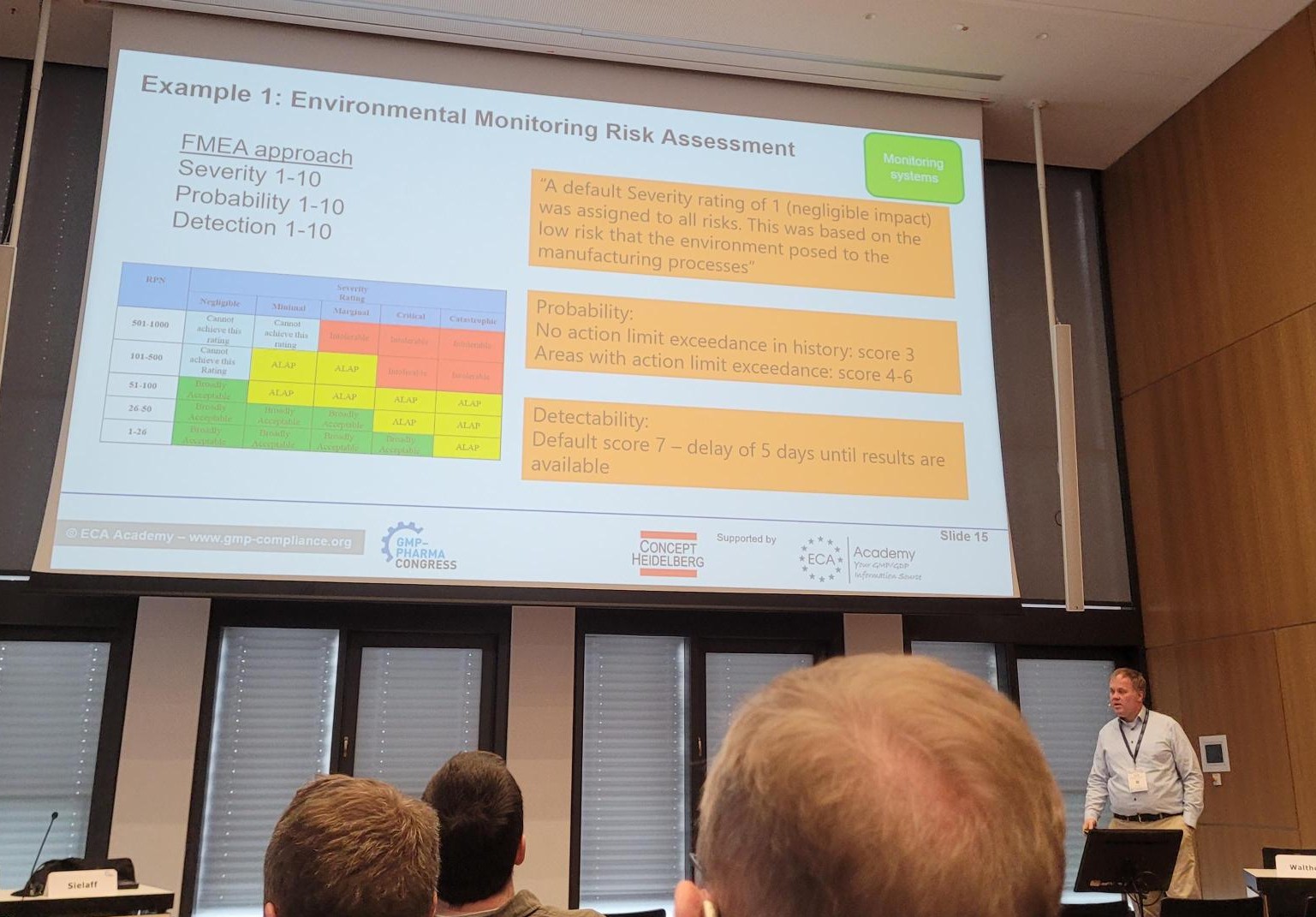
Figure 1 | GMP inspector Frank Sielaff during his presentation at the GMP-PharmaCongress
Do you have any questions or suggestions? Please contact us at: redaktion@gmp-verlag.de

You may also be interested in the following articles:


